







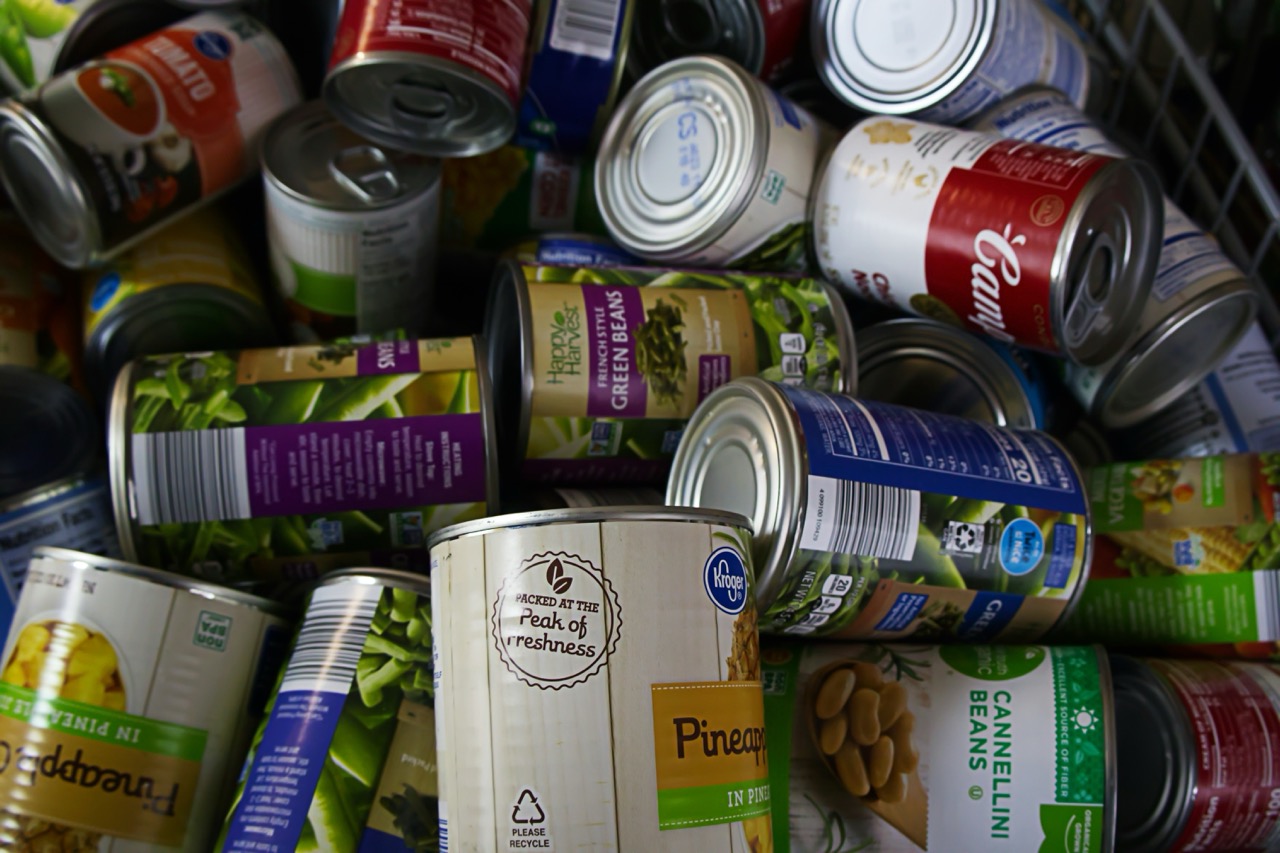
There is a distinct, metallic, flat flavor profile that haunts the world of non-perishables. You know exactly what it is. Whether it’s a can of black beans, a tin of chicken, or a box of shelf-stable broth, factory processing and months on a shelf tend to mute a food’s natural vibrance, leaving behind a dull, monotonous taste.
But it doesn’t have to be that way.
Professional chefs use non-perishables constantly—from high-end Italian restaurants utilizing canned San Marzano tomatoes to elite backcountry guides cooking gourmet meals on mountain peaks. The secret isn’t swapping out the ingredients; it’s changing how you treat them.
Here are five professional culinary techniques to completely abolish the “canned” taste and elevate your pantry staples into gourmet meals.
1. The Power of the Acid Wash
The single biggest reason canned food tastes “dead” is a lack of acidity. .During the commercial canning process, heat sterilization destroys volatile flavor compounds, leaving foods chemically flat. To bring a canned ingredient back to life, you need to introduce a splash of fresh acid at the very end of cooking. Rinsing away the packing film helps, but adding a new acid layer is how you eliminate the metal undertones common in canned goods.
To bring a canned ingredient back to life, you need to introduce a splash of fresh acid at the very end of cooking.
- The Technique: Cook your meal as you normally would. Just before turning off the heat, stir in a squeeze of fresh lime, a splash of red wine vinegar, or a dash of raw apple cider vinegar.
- Why it works: Acid acts like a volume knob for flavor. It cuts through the heavy, metallic sodium taste of canned goods and tricks your palate into perceiving the food as fresh and vibrant.
2. Wake Up the “Aromatics” (The Sauté Step)
Too many pantry recipes tell you to just “dump everything into a pot and simmer.” If you do this, your meal will taste like a hot version of the can it came from. Chefs build flavor in layers, starting with fresh or dried aromatics.
[Mirepoix / Aromatics] ──> [Sauté in Fat] ──> [Deglaze] ──> [Add Non-Perishables]
- The Technique: Before adding your canned goods, spend five minutes sautéing finely diced onions, garlic, carrots, or celery in olive oil or butter. If you don’t have fresh veggies, use dried minced onions and garlic powder, letting them bloom in hot oil for 30 seconds.
- Why it works: This creates a flavor foundation known in French cooking as a mirepoix or in Spanish cooking as a soffrito. It infuses the cooking oil with deep, complex flavors that coat the canned ingredients, masking their processed origin.
3. Purge the Canning Liquid (Rinse and Toast)
The liquid inside a can of beans or vegetables is packed with starchy buildup, preservatives, and metallic residue from the container itself. If you pour that liquid directly into your pot, you are importing the exact flavors you want to get rid of.
- The Technique: Dump beans, chickpeas, or vegetables into a colander and rinse them thoroughly under cold water until the water runs completely clear. For an extra gourmet touch, pat them dry and toss them into a hot pan with a little oil to toast the exterior before adding liquids.
- Why it works: Rinsing removes the metallic-tasting starches. Toasting creates a culinary reaction called the Maillard reaction (browning), which adds a nutty, rich, roasted flavor that completely transforms the texture from mushy to firm.
For an extra gourmet touch, pat them dry and toss them into a hot pan with a little oil to toast the exterior before adding liquids. Why it works: Rinsing removes the metallic-tasting starches, while dry pan-toasting triggers the non-enzymatic Maillard browning reaction. This chemical shift creates complex, roasted flavor compounds.
4. Introduce a “Texture Disruptor”
Human beings experience flavor through texture just as much as taste. Canned foods are often uniformly soft or mushy because they are cooked inside the can during processing. A meal that is entirely soft feels cheap and unappealing to the brain.
To fix this, you must introduce a texture disruptor—something that offers a distinct crunch or bite.
Chef’s Rule of Thumb: If the base of the dish is soft (like a canned chili or stew), the topping must be crunchy.
- The Technique: Top your pantry dishes with whatever texturally distinct items you have on hand:
- Crushed tortilla chips or croutons
- Toasted pumpkin seeds (pepitas) or chopped sunflower seeds
- Crisp fried onions (the kind used for green bean casseroles)
- Finely chopped raw onion or pickled jalapeños
- Why it works: The contrast in textures keeps your palate engaged, distracting the brain from the soft texture of the shelf-stable components and making the dish feel intentionally structured.
5. Layer Your Fats
Commercial non-perishables are notoriously lean, or they rely on cheap, highly processed oils for shelf stability. Fresh, high-quality fat is the ultimate carrier of flavor, and adding it at the right time changes the entire mouthfeel of a dish.
- The Technique: Finish your dish with a drizzle of premium extra virgin olive oil, a pat of cold grass-fed butter, or a spoonful of toasted sesame oil right before serving.
- Why it works: Adding a raw, high-quality fat at the very end prevents it from breaking down during cooking. It creates a silky coating on your tongue, imparting a luxurious, rich mouthfeel that instantly mimics the experience of eating at a high-end restaurant.
The Cheat Sheet: Quick Fixes for Common Staples
| Canned Ingredient | The Problem | The Chef Fix |
| Canned Tomatoes | Bitter / Highly Acidic | Simmer with a pinch of baking soda or a teaspoon of sugar to neutralize the harshness. |
| Tinned Tuna / Chicken | Dry / Chalky | Flake finely and rehydrate with a splash of chicken broth and olive oil before mixing into dishes. |
| Canned Corn | Cloyingly Sweet | Char it in a dry, smoking-hot cast-iron skillet until black spots appear to create a smoky flavor. |
| Boxed Broth | Watery / Lacks Body | Simmer it with a dried mushroom or a piece of parmesan rind to infuse instant umami depth. |
By treating your pantry like a prep kitchen rather than a survival bunker, you can unlock incredible flavor potential. Keep in mind that according to the USDA guidelines on food product dating, low-acid canned goods like meats and vegetables can retain their safety for two to five years on the shelf, giving you plenty of time to master these gourmet upgrades.