

Purchases made through links on this page may earn this website a small commission at no extra cost to the reader. Click here for more information.
Most people picture “prepping” as a bunker stocked for the end of the world. In reality, the biggest payoff from being prepared rarely comes from a single catastrophic event. It comes from the slow, steady accumulation of small advantages, the kind that show up on an ordinary Tuesday, not just during a hurricane.
Talk to anyone who has built up a stocked pantry, an emergency fund, or a well-organized first aid kit, and you’ll hear the same theme over and over: preparedness quietly removes stress from situations that would otherwise be expensive, frightening, or just plain inconvenient. Here’s what that actually looks like in practice.
Job Loss and Income Gaps
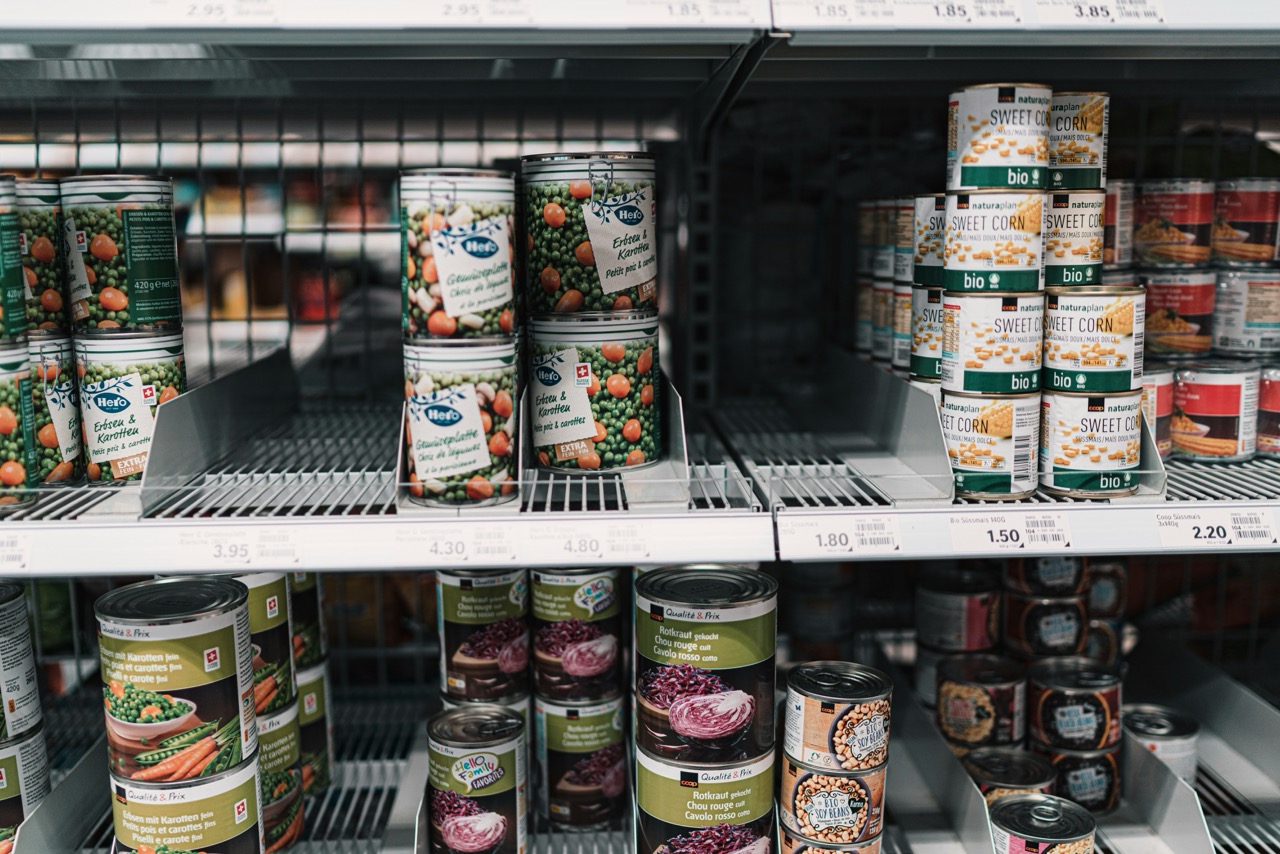
Few situations test a household’s resilience like a sudden loss of income. Time and again, people describe living off their food stockpile for months at a time after a layoff, not because the prepping was “for” unemployment, but because food storage is, at its core, a hedge against any kind of financial shock. A pantry stocked when money was flowing becomes breathing room when it isn’t.
This shows up in dramatic forms too. Families have stretched a few thousand dollars in savings across a full year of unemployment by leaning on stored food and avoiding unnecessary spending. Others have weathered medical emergencies, sudden disability, and the resulting loss of a paycheck by drawing down a pantry built during better times. The common thread isn’t luck. It’s that the work of preparing happened before it was needed.
The Pandemic Stress Test
If there’s one event that converted skeptics into believers, it’s COVID-19. People who had quietly kept months of food, toilet paper, and basic medical supplies on hand suddenly found themselves immune to the panic that swept through grocery stores. While others scrambled for paper goods and hand sanitizer, prepared households simply kept living their normal lives.
Some had stocked N95 masks years earlier for entirely different reasons, wildfire smoke, volcanic ash, or general respiratory protection, and found themselves with supplies that had become nearly impossible to buy. Others had stockpiled flour, yeast, and canning supplies, letting them keep baking and preserving food while store shelves sat empty. None of this required predicting a pandemic specifically. It just required having margin built into everyday life.
Severe Weather and Utility Outages
Power outages, water main breaks, and winter storms are far more common than headline-grabbing disasters, and they’re where preparedness earns its keep most often. A portable generator that mostly gets used for camping or tailgating suddenly becomes the only source of light and refrigeration on the block during a multi-day outage. Stored water, originally bought “just in case,” becomes the difference between managing a boil-water advisory calmly and panic-buying bottled water alongside everyone else.
Heating fuel shortages, burst pipes, and ice storms all follow the same pattern: the people who fare best aren’t the ones with the most dramatic gear, but the ones who already had a few days’ or weeks’ buffer of food, water, and a way to stay warm.
First Aid Knowledge Beats First Aid Supplies
A surprisingly large share of “prepping paid off” stories aren’t about gear at all. They’re about training. People with wilderness first aid or EMT certifications describe stepping in at car accidents, treating injured family members, and staying calm in moments when bystanders froze. The supplies matter, but the knowledge of how to use them matters more.
This is a useful reminder that preparedness isn’t only a shopping list. A basic first aid course, CPR certification, or even an hour-long “stop the bleed” class, often available for free at local libraries, can matter more in an emergency than any single item in a kit.
The Mundane, Constant Wins
Not every win is dramatic. The everyday value of preparedness often looks like:
- Pulling a spare phone charger or battery pack out of a bag for a stranger with a dead phone
- Having spare medication, bandages, or even a sewing kit on hand for a minor mishap
- Avoiding a panicked trip to the store because the pantry already has what’s needed
- Helping a neighbor whose car battery died, using a jump-start pack bought “just in case”
- Riding out a price spike on staple goods because a stock was already built up before prices rose
These moments rarely make headlines, but they add up. They’re also where the psychological benefit of prepping shows itself most clearly: less daily anxiety about disruptions, because the basics are already covered.
The Real Lesson
The throughline across all of these stories isn’t paranoia. It’s margin. A stocked pantry, a small emergency fund, a charged battery pack, a first aid kit you actually know how to use: these are small investments that pay dividends in situations far more common than an apocalypse. Most people will never face a true SHTF scenario. Almost everyone will face a power outage, a layoff, a sick week, or a supply shortage at some point.
Preparedness isn’t about predicting the future. It’s about making sure ordinary disruptions stay ordinary.