





When most people hear the phrase “food storage,” their minds instantly jump to extreme images: subterranean bunkers packed to the ceiling with military-grade rations, or rows of plastic buckets filled with mystery powders.
But true food security isn’t about prepping for a Hollywood apocalypse. It is about household resilience. It is a practical, financial insurance policy against inflation, supply chain bottlenecks, crop failures, or localized natural disasters.
The biggest mistake beginners make when building a food supply is buying a massive cache of random bulk items they have no idea how to cook, only to watch them rot or go stale.
To build a food stockpile that actually protects your family, you need a system. The most efficient framework used by self-reliance experts is The 3-Tier Pantry. Here is exactly how to map it out, rotation schedules included.
Tier 1: The Working Pantry (0 to 3 Months)
The Goal: Insulation against short-term disruptions, financial emergencies, and grocery price spikes.
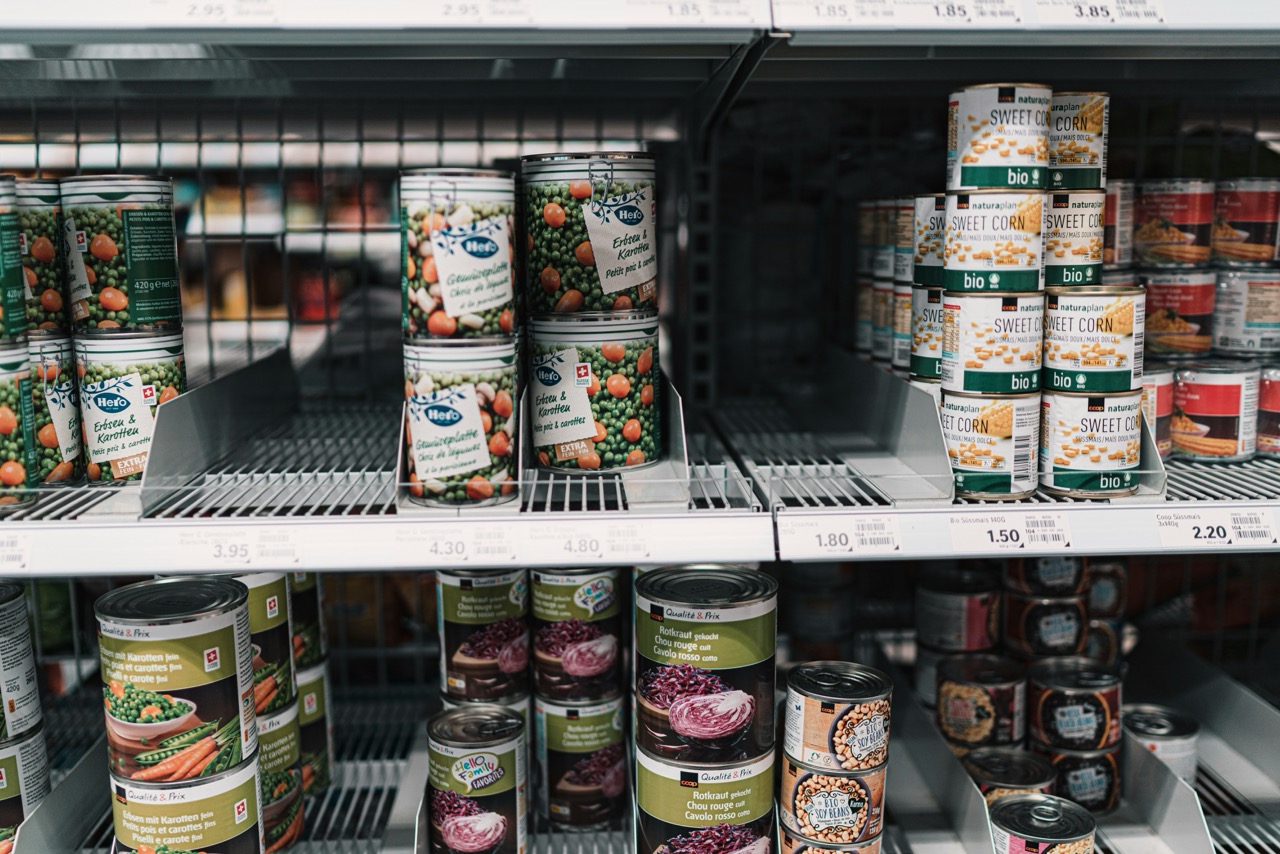
The working pantry is not a separate storage area; it is your kitchen cabinets and pantry shelves on steroids. This tier consists entirely of the everyday, non-perishable foods your family already eats, just bought in larger quantities.
If your family hates canned tuna, do not buy a case of it just because it is on sale. Fill Tier 1 with foods you use weekly:
- Canned soups, stews, vegetables, and fruits
- Pasta, white rice, and pre-packaged sauces
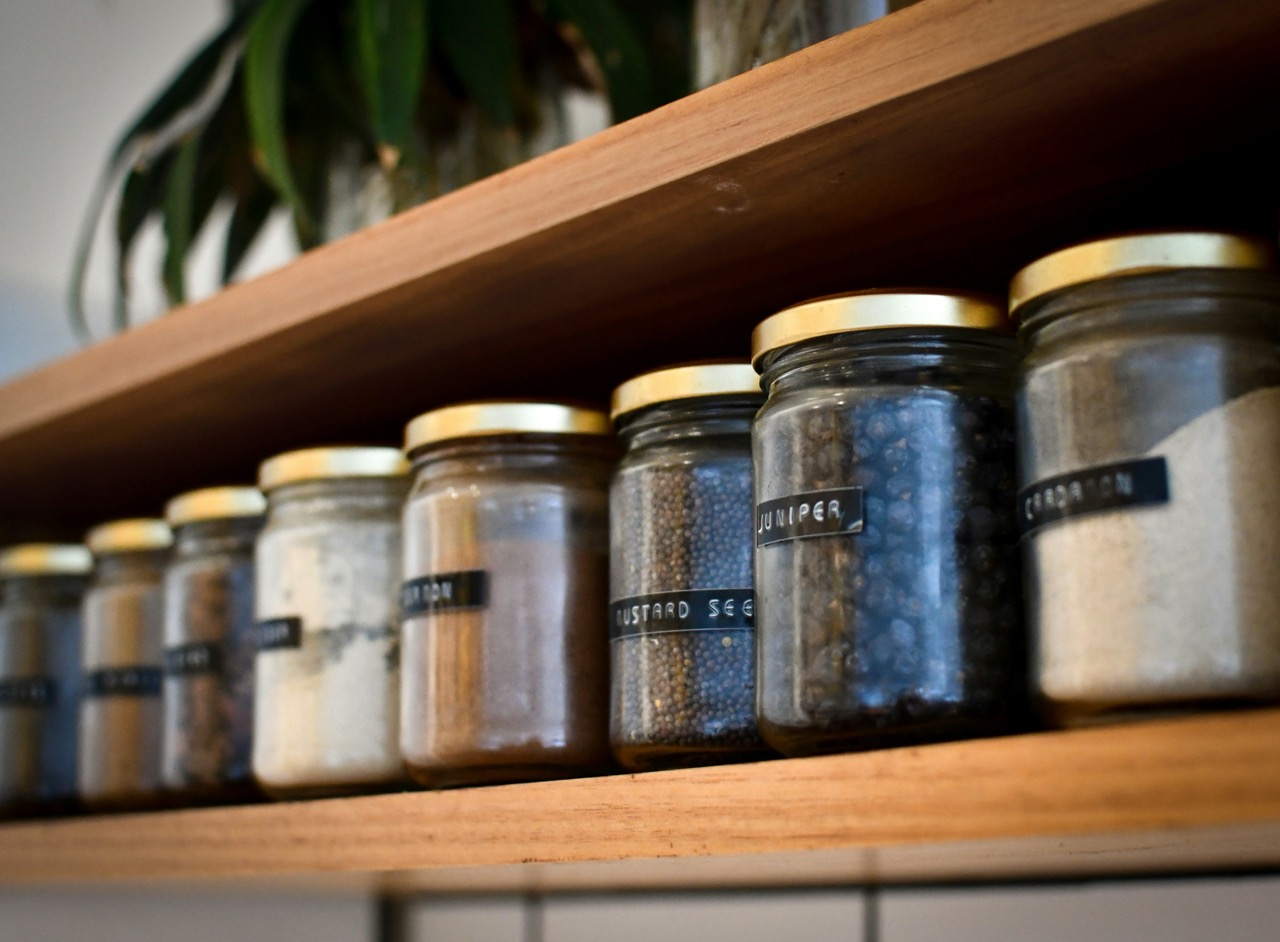
- Cooking oils, vinegar, baking staples, and spices
- Peanut butter, nuts, and crackers
How to Manage It: FIFO Rotation
Tier 1 requires strict First-In, First-Out (FIFO) management. When you come home from the grocery store, place the newly purchased items behind the older ones on the shelf. You eat from the front of the shelf and restock from the back.
By building a 3-month working pantry, you buy yourself total peace of mind. If you experience a sudden job loss or a temporary income disruption, your grocery budget drops to zero for 90 days, and your family still eats normally.
Tier 2: The Extended Pantry (3 Months to 3 Years)
The Goal: Protection against prolonged supply chain breakdowns, systemic inflation, and extended multi-month crises.
Tier 2 is where we transition from standard grocery items to dedicated, shelf-stable staples. This food is stored outside the main kitchen, usually in a cool, dark basement, closet, or utility room.
The foundation of the Extended Pantry relies on dry, low-moisture goods that can easily last a few years if kept away from oxygen, heat, and pests.
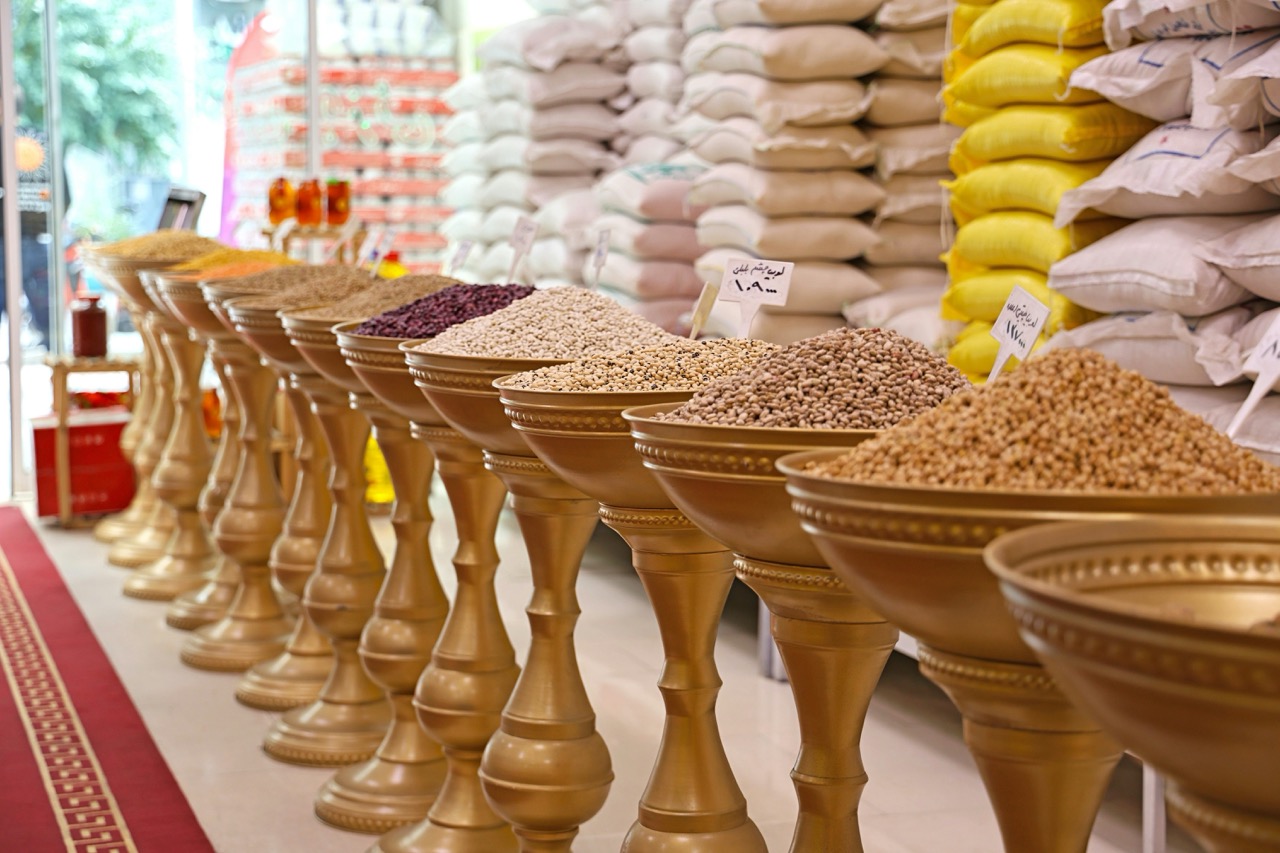
- Whole Grains: Oats, corn, popcorn, and specialized heirloom varieties.
- Legumes: Lentils, split peas, pinto beans, and black beans.
- Baking Essentials: Bulk salt, sugar, honey, and baking soda (all of which have an indefinite shelf life if kept completely dry).
Packaging is Everything
You cannot leave Tier 2 items in their original grocery store cardboard boxes or thin plastic bags; pests and humidity will ruin them within months. To make these items last up to 3 years, store them in heavy-duty, food-grade plastic bins or glass Mason jars with tight-fitting seals.
Tier 3: The Deep Archive (10 to 25+ Years)
The Goal: Absolute food security. A baseline nutritional insurance policy that you can set, forget, and rely on decades from now.
Tier 3 is your true non-perishable asset class. This food is specifically processed and packaged to withstand the test of time, maintaining its caloric and nutritional value for up to a quarter of a century.
There are two primary ways to build the Deep Archive:
Option A: DIY Mylar Packaging
You can purchase bulk dry goods (like white rice, hard red winter wheat, and pinto beans) and seal them yourself. You place the food into thick Mylar bags, drop in a food-safe Oxygen Absorber (OA), and seal the top with a standard flat iron.
The oxygen absorber strips the oxygen inside the bag down to less than 0.1%, preventing oxidation and completely eliminating the possibility of insect eggs hatching. Once sealed, these Mylar bags are placed inside heavy-duty 5-gallon buckets for physical protection.
Option B: Professional Freeze-Dried Vaults
For complete nutritional balance, including meats, dairy, and complex meals, professional freeze-dried food is the gold standard. Freeze-drying removes 99% of the moisture content while preserving the original texture, flavor, and 97% of the vitamins.
Investing in a professionally sealed, nitrogen-flushed survival food vault gives you an instant, balanced nutritional baseline that requires zero maintenance or rotation for the next 25 years.
Storage Conditions: The Four Food Killers
No matter how well-packaged your food is, its ultimate lifespan is dictated by where you store it. You must protect your 3-tier pantry from the four environmental enemies:
- Temperature: The ideal storage temperature is between 50°F and 70°F. For every 10°F increase above 75°F, the shelf life of your food is effectively cut in half. Avoid hot attics or uninsulated garages.
- Light: Ultraviolet (UV) rays degrade vitamins, break down proteins, and cause fats to go rancid. Keep food in dark rooms, opaque buckets, or solid boxes.
- Moisture: Humidity breeds mold and bacteria. Ensure your storage area is dry, and use desiccant packets if you live in a highly humid climate.
- Pests: Mice, rats, and weevils can chew through plastic bags and cardboard effortlessly. Rigid plastic 5-gallon buckets are your best line of defense.
The Final Word
Building a non-perishable food supply is not an act of fear; it is an act of logic. By breaking your strategy down into three distinct tiers, you prevent financial waste, ensure your food is always fresh, and build an unshakeable foundation of self-reliance.
Start with Tier 1. Add two extra cans of soup or an extra bag of pasta to your cart during your next grocery trip. Once your kitchen cabinets are full, expand outward. True security is built one layer at a time.
What does your current food storage setup look like? Are you focusing on building your short-term working pantry, or are you diving into long-term sealed buckets? Let us know in the comments below!