





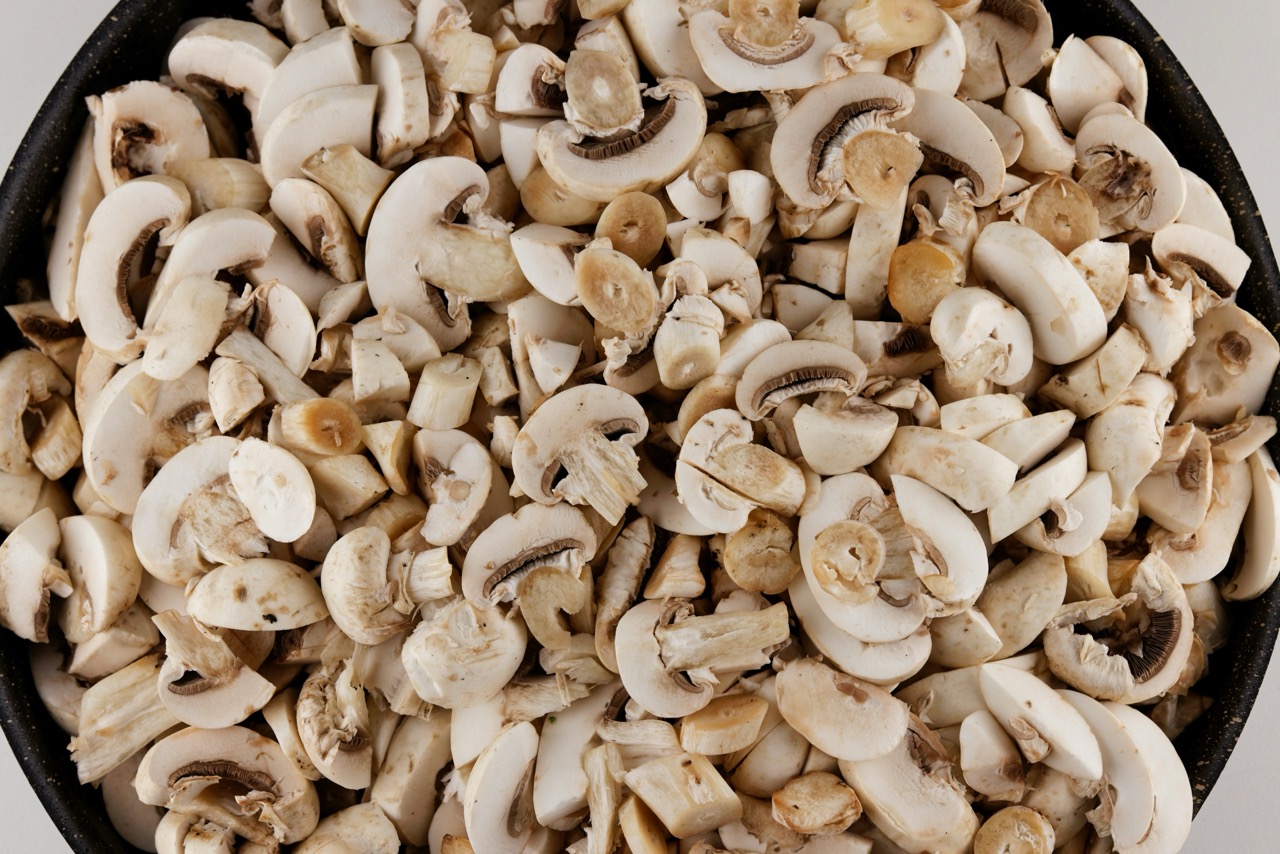
When building a long term food supply, it is incredibly easy to fall into the monotony trap. You stock up on the survival essentials like bags of white rice, structural columns of canned beans, and boxes of dry pasta. While these items are unmatched for caloric efficiency and shelf life, they can quickly lead to appetite fatigue if you do not know how to manipulate flavor chemistry.
The difference between a basic survival ration and a gourmet pantry meal comes down to a single scientific concept: umami.
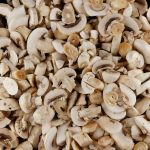
Umami is the savory, deep, rich taste profile that tells your brain you are eating something incredibly satisfying. While fresh meat is the traditional source of this flavor, there is a shelf stable alternative that belongs on every pantry shelf: dehydrated mushrooms.
Whether you are cooking through a power outage or just trying to stretch your weekly grocery budget using nonperishables.com principles, here is how to use dried fungi to inject steakhouse level depth into cheap pantry staples.
1. The Science of the Dehydrated Umami Bomb
To understand why dried mushrooms are a non perishable superpower, you have to look at food science. Fresh mushrooms are roughly 90% water. When you dehydrate them, you do not just preserve them; you chemically concentrate their naturally occurring amino acids, specifically glutamic acid.
When these concentrated glutamates hit your tongue, they bind to specific savory receptors, tricking your brain into experiencing a rich, meaty depth even if there is not a single gram of actual meat in the pot.
Furthermore, varieties like dried Shiitakes and Porcinis contain high levels of guanylate, another flavor compound that acts as a synergy multiplier when combined with the glutamates already found in other pantry staples like canned tomatoes or beans. For a deeper look into how these compound systems work on human taste receptors, you can read the Harvard University molecular analysis of taste perception. The result is a total flavor profile that is exponentially more complex than the sum of its individual parts.
2. Choosing Your Fungi: The Best Varieties for Storage
Not all dried mushrooms are created equal. When building out your pantry inventory, focus on these three high yield varieties:
- Dried Shiitakes: These are the ultimate budget workhorse. They possess a thick, meaty texture when rehydrated and offer an incredibly intense, smoky umami flavor. They are perfect for upgrading white rice or shelf stable ramen noodles.
- Dried Porcinis: The luxury option. Porcinis offer a deeply earthy, nut like flavor profile. The soaking liquid from a handful of dried porcinis can instantly turn cheap box pasta into a high end Italian risotto style dish.
- Dried Wood Ears: While milder in flavor, these mushrooms absorb ambient seasonings beautifully and provide a distinct, crunchy texture that breaks up the soft, mushy consistency common in canned foods.
3. The Two Step Extraction Method
To unlock the full culinary potential of dehydrated mushrooms, you should never simply toss them raw into a boiling pot of rice. You need to isolate the texture from the liquid gold.
Step 1: The Steep
Place your desired amount of dried mushrooms into a heat safe bowl and cover them completely with boiling water. Let them steep undisturbed for 15 to 20 minutes. The mushrooms will absorb the moisture and return to their plump, original texture, while the water will transform into a dark, highly aromatic broth.
Step 2: The Separation
Remove the rehydrated mushrooms from the liquid, squeeze the excess moisture back into the bowl, and slice them up for your dish. Do not throw away the soaking water. This liquid is pure flavor currency. Run it through a fine mesh strainer to catch any ambient grit or dirt from the forest floor, and use it as the cooking liquid for your rice, beans, or pasta sauces instead of plain tap water.
4. Practical Ways to Upgrade Cheap Staples
Once you have mastered the extraction method, you can deploy your mushrooms across your entire non perishable inventory:
The 20-Cent Rice Upgrade
Instead of cooking your long term white rice in plain water, use the filtered mushroom soaking liquid. Chop up the rehydrated mushrooms, toss them into the pot with a pinch of garlic powder and a splash of soy sauce, and cook as normal. You will end up with a rich, savory mushroom rice pilaf that tastes like it took hours to simmer.
The Gourmet Bean Booster
Canned pinto or black beans can taste remarkably flat right out of the tin. By simmering your canned beans in a bit of mushroom broth along with the chopped caps, you introduce the savory, smoky notes typically provided by cured meats like bacon or ham, keeping the meal entirely shelf stable and vegetarian.
Elevating Instant Ramen
Instant noodles are a pantry staple, but the included sodium packets leave a lot to be desired. Ditch half the seasoning packet, rehydrate a handful of dried shiitakes directly in your ramen broth, and watch the soup transform from a cheap salty snack into a complex, satisfying meal.
5. Storage and Longevity
When purchased commercially in sealed plastic packaging, dehydrated mushrooms can easily maintain their peak quality for one to two years on a standard shelf.
To extend this timeline into the five to ten year range for long term self reliance, transfer the dried mushrooms into glass mason jars or heavy duty Mylar bags accompanied by an food safe oxygen absorber. Keep the containers stored in a cool, dark cupboard away from ambient kitchen heat and moisture to prevent any structural breakdown of the delicate flavor compounds. For a complete guide on standard shelf stability benchmarks for general agricultural goods, consult the USDA food safety storage resources.
By integrating these lightweight, nutrient dense umami bombs into your storage rotation, you ensure that your household transitions from merely surviving on non perishables to genuinely enjoying every single meal.