


Purchases made through links on this page may earn this website a small commission at no extra cost to the reader. Click here for more information.
When a severe summer storm or an overloaded power grid triggers a sudden blackout, our immediate instinct is to look at our phones, dig out flashlights, or check on the neighbors. But in the background, a silent financial and health crisis begins inside your kitchen.
Most modern homes are entirely dependent on continuous electricity to preserve food. The moment the power cuts out, an invisible countdown clock starts ticking on your refrigerator and freezer.
According to standard food safety guidelines, a closed refrigerator will only keep food safe for about four hours. A full freezer can hold its temperature for roughly 48 hours, but only if you keep the door completely shut.
Once those short windows pass and internal temperatures climb past 40°F, hundreds of dollars worth of fresh meat, dairy, and leftovers rapidly become breeding grounds for bacteria.
This is where a strategic inventory of nonperishable food transforms from a casual convenience into your absolute best line of defense. Here is how to build a blackout-proof food supply that keeps your family fed without relying on a single watt of electricity.
The Blackout Food Strategy: No Power, No Cooking
When designing a nonperishable stockpile specifically for power outages, you must remember that you might lose access to your stove, microwave, and electric oven.
While a backyard propane grill or a camping stove can help you boil water or heat soup, you want a significant portion of your blackout pantry to consist of “no-cook” nonperishables. These are foods that can be eaten straight out of the packaging with zero heat or added water required.
The No-Cook Nonperishable Staples:
- Ready-to-Eat Canned Proteins: Canned chicken, tuna, salmon, and sardines are pre-cooked and packed with protein. They provide instant nutrition without needing a heat source.
- Nut Butters and Spreads: Peanut butter, almond butter, and sunflower seed butter are calorie-dense, shelf-stable, and provide high amounts of healthy fats and protein.
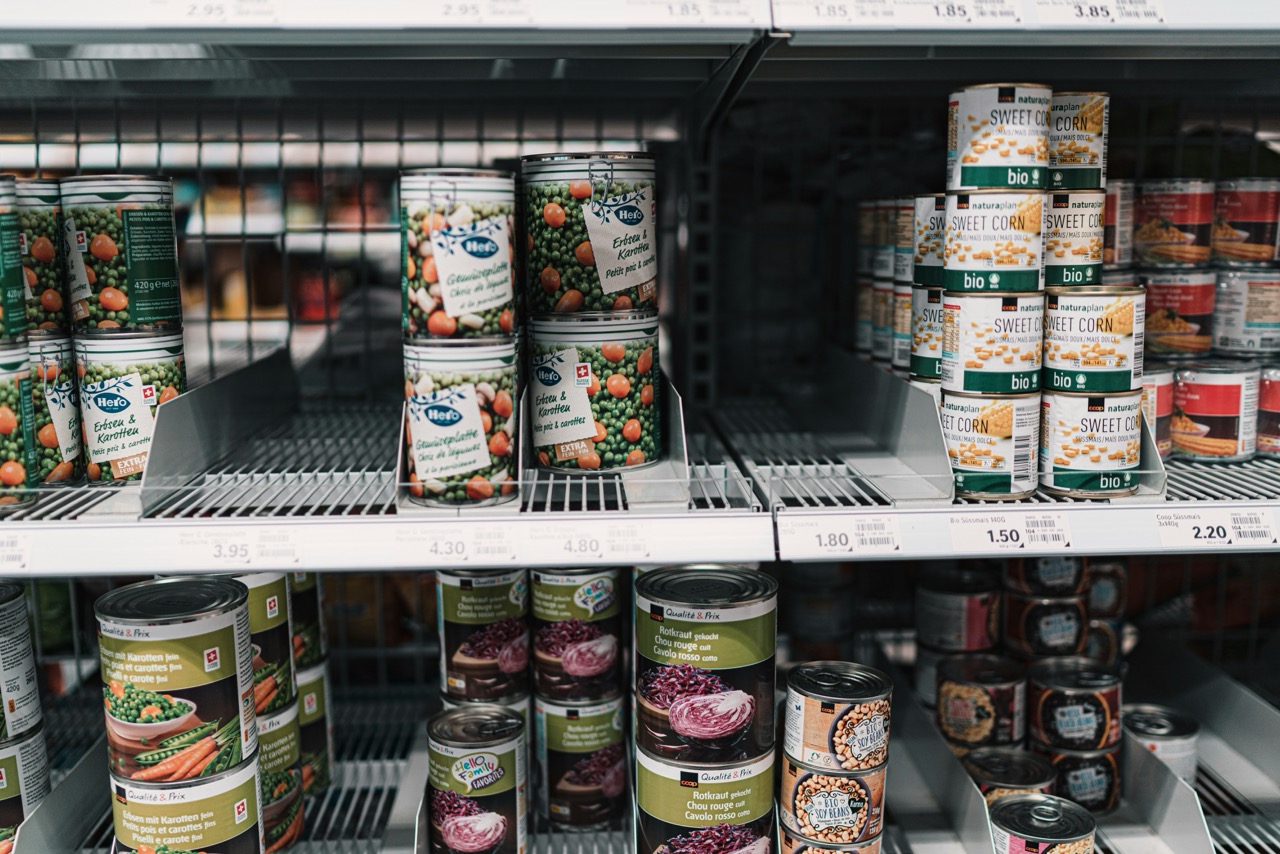
- Canned Beans and Vegetables: While we prefer them warm, canned items like chickpeas, black beans, corn, and green beans are fully cooked during the canning process. They can be drained, seasoned, and eaten cold.
- Snack Nutrition: High-quality granola bars, trail mixes, dried fruits, beef jerky, and crackers provide quick energy boosts that require absolutely zero preparation.
The 24-Hour Blackout Timeline: What to Eat First
To minimize financial loss during an extended power outage, you should manage your kitchen assets strategically. Do not dive straight into your long-term nonperishable stash the second the lights flicker. Follow this tactical consumption timeline:
Stage 1: The Fresh First Window (Hours 1 to 4)
Keep your refrigerator and freezer doors shut completely to lock in the cold air. Eat any fresh fruits, bread, or snacks that are already sitting out on your countertops.
Stage 2: The Refrigerator Rescue (Hours 4 to 12)
Once the refrigerator has been without power for over four hours, perishable items like milk, soft cheeses, and raw meats are no longer safe. This is when you quickly open the fridge, grab condiments that do not spoil easily, or use up items you can safely cook immediately on an outdoor grill.
Stage 3: The Nonperishable Shift (Hours 12 and Beyond)
Once your cold food assets are exhausted or compromised, pivot entirely to your shelf-stable nonperishable stockpile. By shifting to canned goods and dry snacks, you ensure your family has an abundant supply of safe, pathogen-free calories for the remainder of the outage.
Essential Tools for Your Blackout Pantry
A collection of nonperishable food is only useful if you have the tools required to access and prepare it under off-grid conditions. Make sure your pantry contains these essential non-electric accessories:
- Manual Can Openers: An obvious tool, but often overlooked. Keep two sturdy, manual hand-crank can openers specifically inside your food storage area so you never have to hunt for one in the dark.
- Disposables: Stockpile a supply of paper plates, plastic utensils, and paper towels. When the power is out, you may also lose water pressure or want to conserve your stored water supply. Avoiding the need to wash dishes preserves your water assets for drinking and basic hygiene.
- Flashlights or Headlamps: Trying to read small expiration dates or ingredient labels by candlelight is difficult and creates a fire hazard. Keep a dedicated LED headlamp near your pantry shelves for hands-free food prep.
The Bottom Line
A power outage forces your home to operate as an independent unit, completely cut off from the automated convenience of public utilities. Relying on a fragile, refrigerated food supply leaves your household vulnerable to immediate spoilage and financial loss.
By building a dedicated, robust supply of nonperishable goods, you build a permanent buffer between your family and the vulnerability of the electrical grid. You don’t have to worry about the ticking clock inside your refrigerator when your shelves are packed with assets that do not need power to stay perfectly safe.
Have you ever lost a full fridge of groceries during a bad storm? What are your go-to no-cook nonperishables when the lights go out? Let us know your favorite blackout comfort foods in the comments below!