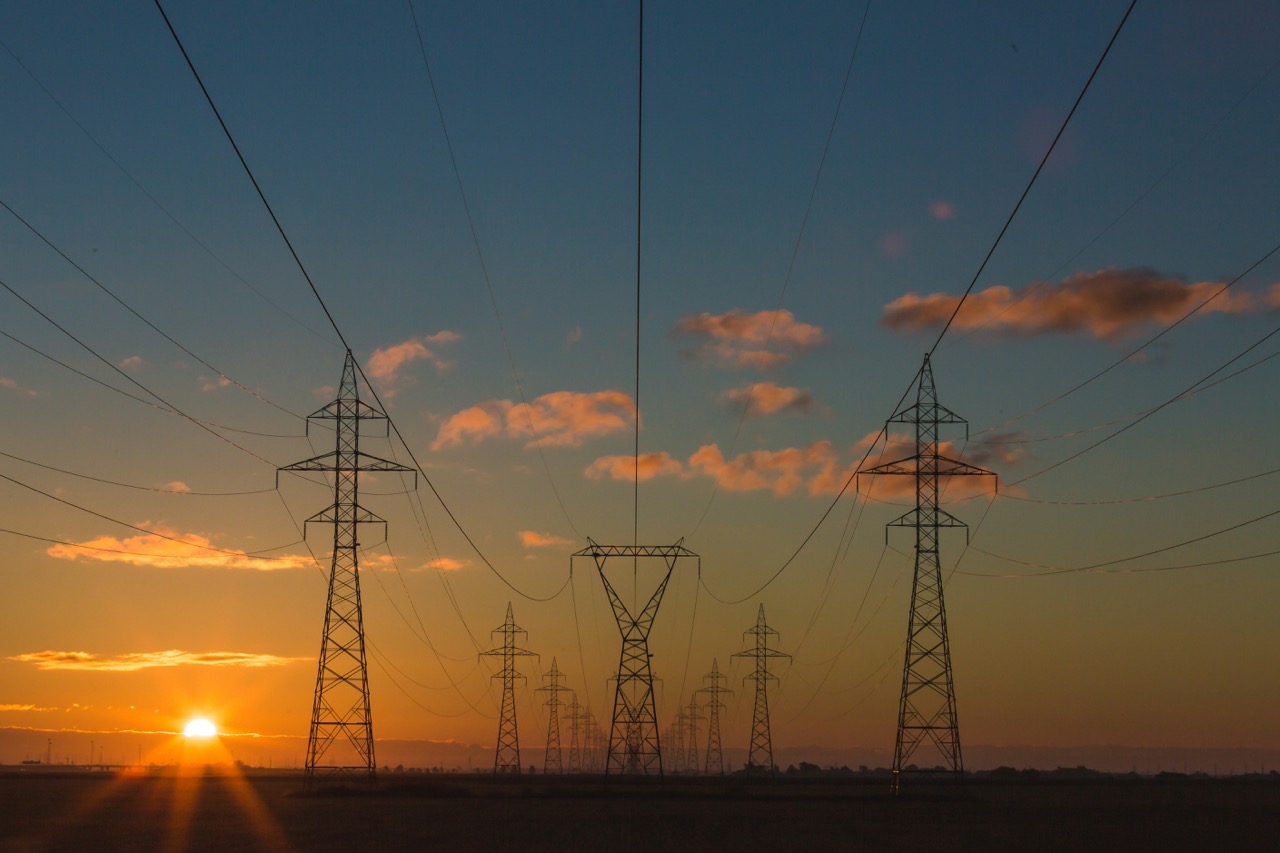




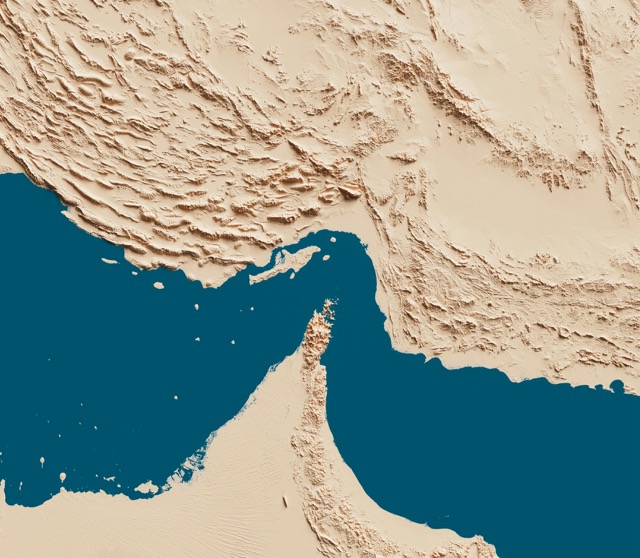
When you look at current news headlines about the ongoing maritime tensions in the Strait of Hormuz, the discussion almost always centers on energy. Wall Street analysts track the price of crude oil per barrel, and shipping logistics firms worry about international tankers safely navigating the narrow choke point.
But if you are focused on building long-term household independence, you need to look past the oil tankers. There is a far more critical commodity quietly trapped in that shipping lane, and it is going to directly impact the cost of the food on your table.
We are facing a massive global fertilizer shock.
Right now, roughly 50% of the world’s globally traded urea, which is the chemical bedrock for nitrogen-based fertilizers, transits directly through the Strait of Hormuz. Because of severe ongoing transit disruptions and production facilities going offline in Qatar, the agricultural pipeline has completely narrowed.
For the everyday consumer, this feels incredibly far away. But agricultural economics operate on a strict 6-month delay. The under-fertilized crops being planted or harvested globally right now represent the expensive nonperishable goods that will hit your local supermarket shelves this fall.
Here is exactly how this geopolitical crisis trickles down to the center aisle of your grocery store, and why building a nonperishable food reserve is the ultimate financial hedge.
From Nitrogen to the Grocery Aisle: How the Math Works
Modern industrial agriculture is entirely dependent on synthetic nitrogen fertilizer. Without it, global crop yields would instantly drop by an estimated 40% to 50%.
When fertilizer prices skyrocket or supplies get cut off, farmers face a brutal choice: pay double for their inputs, or use significantly less fertilizer on their crops. Either choice leads to the exact same economic destination for you, the consumer:
- Lower Crop Yields: Farmers using less fertilizer harvest fewer bushels of grain per acre.
- Higher Input Costs: Farmers who pay premium prices for scarce fertilizer must raise their wholesale prices just to break even.
Agricultural intelligence firms are already projecting that global grain harvests, particularly wheat and corn from major exporting regions, will face sharp yield reductions this cycle. This means the wholesale cost of basic agricultural commodities is rising rapidly behind the scenes.
The “Center-Aisle” Squeeze: What Costs More?
You won’t see the impact of this crisis in the fresh produce section tomorrow. Instead, it systematically targets the exact foods that form the foundation of a resilient household.
When wheat, corn, and grain supplies contract, it triggers a domino effect across processed, shelf-stable goods. Expect to see price spikes of 12% to 18% higher by late autumn across these core categories:
- Flour and Baking Staples: The most direct casualty of a wheat shortage.
- Pasta and Cereals: Heavily reliant on durum wheat and grain inputs.
- Canned Meats and Dairy: Livestock consume massive quantities of feed corn. When feed corn prices rise due to fertilizer scarcity, the cost of producing beef, chicken, pork, and dairy climbs alongside it.
The Financial Return on Nonperishables
Most people view emergency food storage as a survival mechanism for a grid-down scenario. But in today’s economic climate, your food stockpile is actually a high-yield financial asset.
Think of it as purchasing commodity futures at a massive discount.
If you go to the store today and buy $500 worth of bulk nonperishables, such as white rice, pasta, pinto beans, and quality canned meats, you are securing food at today’s prices. When inflation hits those exact items later this year, your stored food effectively “earns” you a 15% return on your investment because you bypassed the price spike entirely.
Unlike money sitting in a savings account, physical assets like food cannot be devalued by supply chain shocks or geopolitical logistics crises.
Your Tactical Playbook for the Summer
You do not need to panic buy, but you do need to be strategic. Use the remaining summer months to build your buffer before the fall supply pinch hits the retail market.
- Focus on Caloric Baselines: Prioritize high-density grains and legumes. A 20-pound bag of white rice or pinto beans is incredibly cheap right now but will become a premium asset when wholesale agricultural costs fully hit the grocery sector.
- Store Wisely: As we covered in our Mylar blueprint, don’t leave these investments in cheap supermarket paper bags. Seal them in heavy-duty Mylar with oxygen absorbers to lock in their freshness and nutritional value for years to come.
- Watch the Choke Points: Pay attention to global logistics news. The fragility of our modern “Just-In-Time” supply chain means that a bottleneck on the other side of the planet will always find its way into your household budget.
Building a nonperishable reserve isn’t about paranoia; it is about pure mathematical logic. By insulating your kitchen from the vulnerabilities of global shipping lanes, you ensure your family’s security remains entirely under your own control.
Are you noticing grocery prices creeping back up in your area yet? How are you adjusting your food storage strategy to outpace the upcoming agricultural inflation? Let us know in the comments below!