







Many homeowners view building a backup food supply as a pure insurance expense. They assume that stocking up on non perishable staples is a sunk cost that only pays off if a massive emergency occurs.
This perspective ignores the immediate financial benefit of a well managed kitchen.
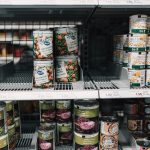
When your pantry is disorganized, food turns into hidden waste. Cans slip to the back of dark cabinets, dry items expire unnoticed, and you end up buying duplicates at the grocery store simply because you cannot see your current inventory. Use the interactive tool below to calculate the real world financial value slipping through your shelves right now.
[pantry_roi_calculator]
Post-Calculator Strategy: Transforming Waste into Wealth
The number displayed above represents capital that could be reinvested directly back into your household budget. Minimizing this systemic loss does not require switching to a restrictive diet or stopping your bulk shopping habits. It simply requires implementing a basic industrial system known as First-In, First-Out warehouse rotation.
When you purchase new canned goods or dry staples, systematically place the newest inventory at the back of the shelf, pulling your older stock to the front line. This simple mechanical shift ensures that you naturally consume items before their flavor profile degrades or their packaging integrity risks failure. By viewing your non perishable inventory through a lens of resource allocation and financial logistics, you transform your kitchen pantry from a chaotic storage closet into a highly efficient household asset.
Implementing the First-In, First-Out (FIFO) System
The figure displayed above represents capital that could be reinvested directly back into your household budget. Minimizing this systemic loss does not require switching to a restrictive diet or stopping your bulk shopping habits. It simply requires implementing a basic industrial inventory management system known as First-In, First-Out layout rotation.
When you return home with new canned goods or dry staples, systematically place the newest items at the back of your shelves, pulling older stock forward to the front line. This simple mechanical shift ensures that you naturally consume items before their flavor profile degrades or their packaging integrity risks failure. By making visibility a priority, you remove the hidden zones where food goes to sit and slowly expire.
Streamlining Your Shopping Logistics
An organized pantry alters your entire relationship with the grocery store. When you have an absolute, clear grasp of your household metrics and baseline reserves, you stop buying duplicates out of uncertainty. You no longer find yourself standing in the supermarket aisle wondering if you already have enough pasta sauce or black beans at home.
Instead, your pantry functions like a personal grocery store where you only buy items to replace exactly what you consumed the week before. This structured approach allows you to take full advantage of bulk sales and wholesale discounts without the fear that your investment will go to waste before you can use it. You can confidently buy in volume, knowing your storage setup is optimized to protect both the food and your money.
Protecting Your Stash from Environmental Threats
Financial efficiency in the kitchen is also deeply tied to your environmental controls. Heat, ambient moisture, and direct sunlight act as constant catalysts that accelerate the breakdown of nutritional content and ruin texture in non perishable items. Storing your provisions in a cool, dark space between 50 degrees and 70 degrees Fahrenheit safeguards your financial investment from premature spoilage.
Keep boxes and bags elevated off concrete floors to prevent moisture wicking, and use airtight, rigid plastic or glass containers to protect dry grains from humidity and pests. By treating your non perishable inventory through a lens of resource allocation and financial logistics, you transform your kitchen storage from a chaotic, costly closet into a highly efficient household asset that pays dividends month after month.