





Purchases made through links on this page may earn this website a small commission at no extra cost to the reader. Click here for more information.
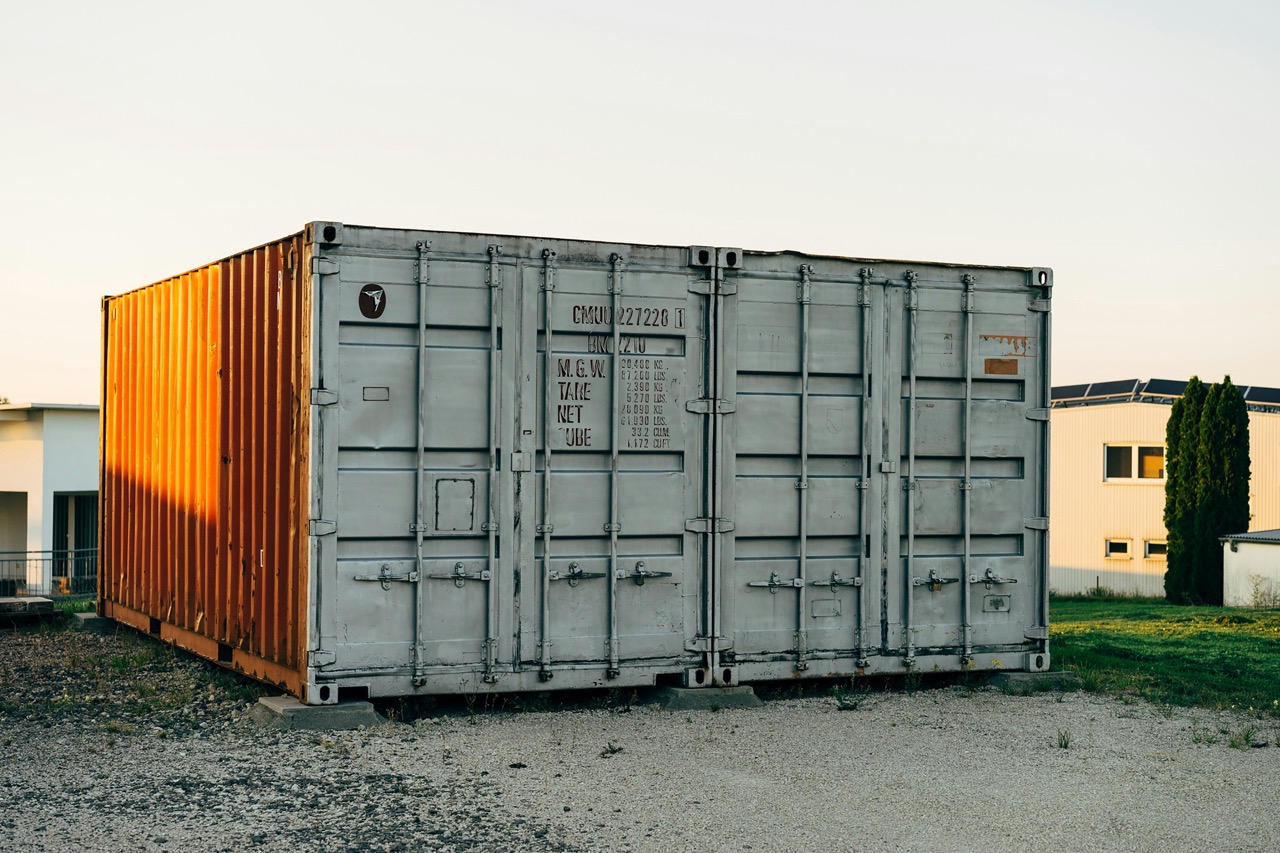
It’s one of the most persistent ideas in the preparedness world: buy a used shipping container, dig a hole, drop it in, cover it with dirt, and you’ve got yourself an instant underground bunker. It looks simple on paper. It is not simple in practice, and getting it wrong doesn’t just waste money. It can get someone killed.
Here’s why shipping containers fail underground, and what actually works if you want a buried shelter, root cellar, or storm refuge.
The Problem Is Basic Engineering
Shipping containers are designed to do one job extremely well: stack on top of each other on a cargo ship or in a port yard. All of their structural strength is concentrated in the four corner posts, which are built to carry enormous compression loads straight down through the corners of the containers above and below them.
The walls and roof are a different story. They’re made of relatively thin corrugated steel, and that corrugation is designed to resist loads from directly above, not lateral pressure pushing in from the sides. Bury a container with no additional reinforcement, and you’re asking those thin walls to hold back the sideways pressure of packed earth, something they were never engineered to do. Add the weight of soil sitting on the roof, and the roof can cave in entirely.
The result isn’t a shelter. It’s a steel coffin waiting for the right amount of rain, frost heave, or settling soil to fail.
It’s Not Just About Collapse
Even when a buried container doesn’t structurally fail, it creates a long list of secondary problems:
Rust and corrosion. Steel buried in moist soil corrodes over time, especially at seams and welds. A container that seemed solid when it went into the ground can be dangerously weakened years later, often without any visible warning from the outside.
Condensation and moisture. Without proper ventilation, the temperature difference between the soil and the container interior causes constant condensation. Anything stored inside, food, electronics, paper, tools, gets damp and ruins faster than it would in almost any other storage method.
Ventilation is hard to retrofit. Cutting vents, hatches, or air exchange points into a container that wasn’t designed for them weakens the very structure you’re relying on for strength. You end up trading structural integrity for breathable air.
Fire risk if anything’s stored inside. Many shipping containers have wood flooring and wood-lined interiors. In a fire, that wood burns from the inside out, and anything sealed inside, including aerosol cans, batteries, or fuel, can become its own hazard.
“But People Have Made It Work”
They have, and it’s worth being honest about how. The successful examples all share the same pattern: the container stops being the structure and becomes, at best, a form for building the real structure.
That typically means:
- A poured concrete slab foundation
- A full concrete encasement around the container, with rebar reinforcement tied through the structure
- Engineered drainage so water is directed away from the structure before it can build up hydrostatic pressure against the walls
- A separate reinforced roof system, often supported independently with steel beams, since the container roof alone can’t carry a soil load
- Washed gravel backfill against the sides instead of raw soil, which reduces lateral pressure dramatically compared to wet, compacted dirt
Once you’ve added all of that, the honest question is what the container actually contributed. In most of these builds, it functioned as a mold or a liner inside a structure that needed to be engineered from scratch anyway. The container didn’t save money or labor. It added a step.
Better Alternatives for an Underground Build
If the goal is genuinely underground storage or shelter, several proven alternatives outperform a bare shipping container without requiring nearly as much improvised engineering:
Large corrugated steel culvert pipe. This is literally manufactured to be buried under roads and support the weight of vehicle traffic above it. The round shape distributes load far more evenly than a rectangular box, which is exactly why road engineers use this shape and not flat-walled steel boxes.
Precast concrete box culverts or vaults. These are designed from the start to handle below-grade loads and lateral earth pressure. They cost more upfront than a used container, but they don’t require you to reinvent structural engineering on a weekend.
A purpose-built poured concrete structure. More labor and cost initially, but it’s a known, proven approach: footings, walls, and a properly engineered roof slab, built to handle the actual loads involved.
Where Shipping Containers Actually Shine
None of this means shipping containers are useless for preparedness. Above ground, they’re excellent:
- Secure, weatherproof storage for tools, equipment, and supplies
- A solid base for a workshop, especially when two containers are placed in an L or U shape with a roof or canopy connecting them
- A partially bermed structure (with earth mounded against the sides rather than piled on top) can work if drainage and lateral support are handled properly
Even for above-ground use, ventilation matters more than people expect. A couple of louvered vents placed high on each end for cross-airflow, combined with keeping the container elevated on blocks rather than sitting directly on soil, solves most condensation problems before they start.
The Bottom Line
A shipping container looks like a bunker. It is not a bunker. It’s a steel box built for a completely different set of forces than the ones it will face underground. If you want secure aboveground storage, a container is a great, affordable option. If you want something genuinely underground, your money and effort are better spent on a culvert system or a properly engineered concrete structure designed for that purpose from the start.
The appeal of the buried container is that it feels like a shortcut. In reality, doing it safely costs about the same as not using a container at all, and skipping the engineering doesn’t save you money. It just moves the risk from your wallet to your safety.